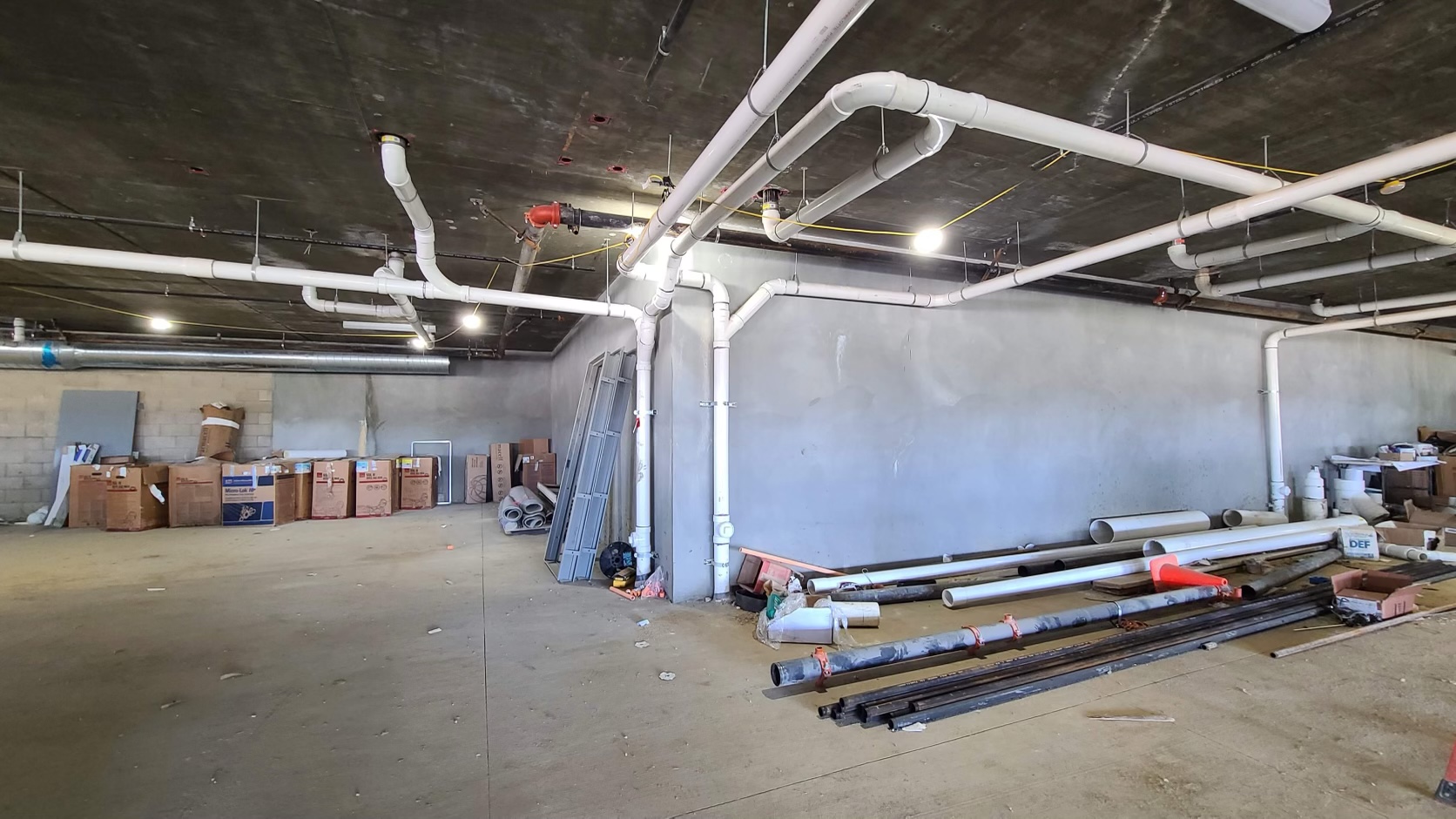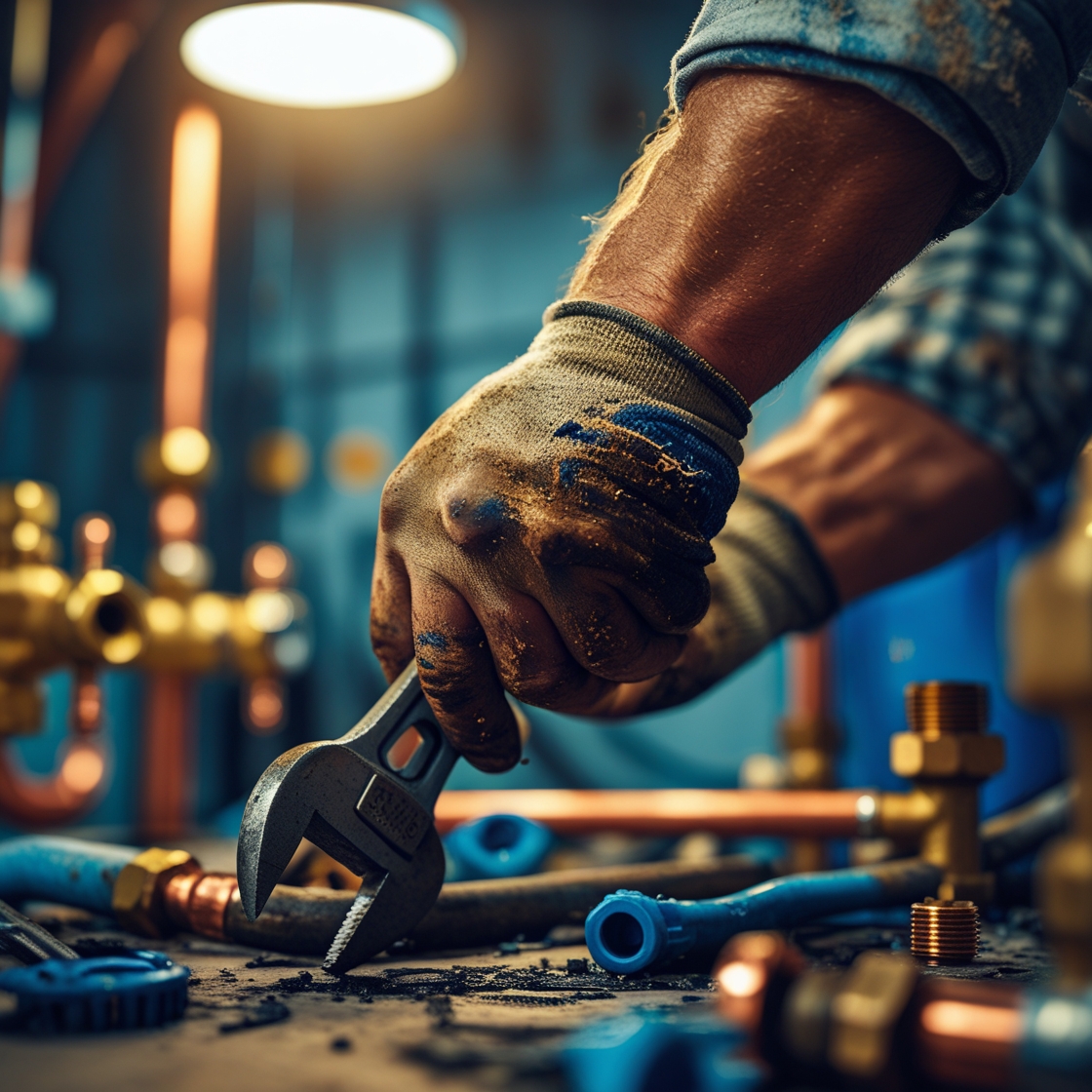
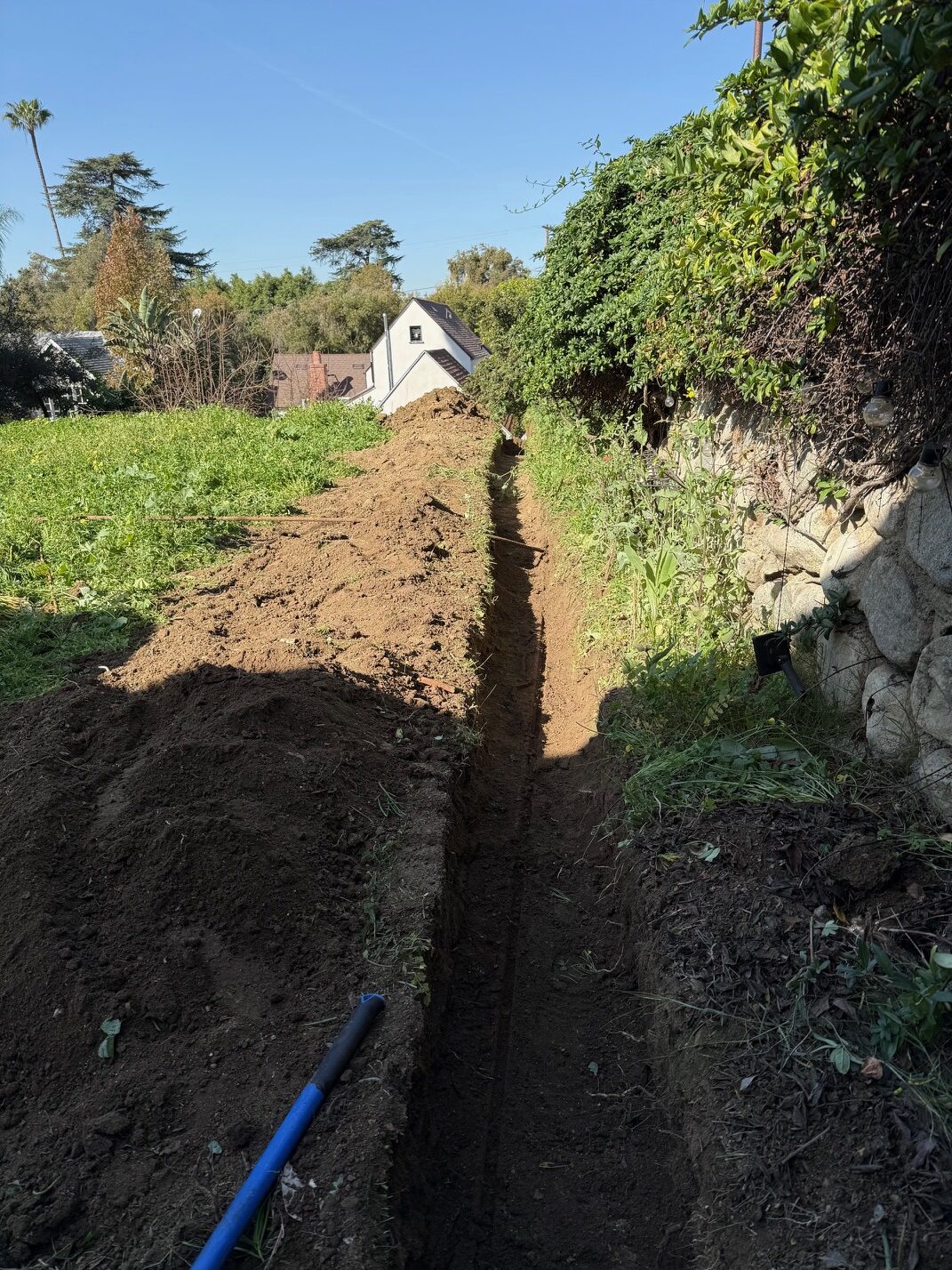
Underground plumbing lines are out of sight, which makes it easy to forget about them. For property owners across California, this can be a costly mistake. Weather conditions throughout the state place steady pressure on buried pipes, often leading to damage that goes unnoticed until a major issue appears.
From dry summers to heavy winter rain, California weather plays a major role in how long underground plumbing lasts. Understanding these effects helps property owners act early and avoid expensive repairs.
The Pine Plumbing works with homeowners, landlords, and commercial property owners dealing with underground pipe issues caused by weather-related stress. Jaime Garcia is more than happy to help with a quote at (323) 346-4472.
Why Underground Pipes Are Vulnerable
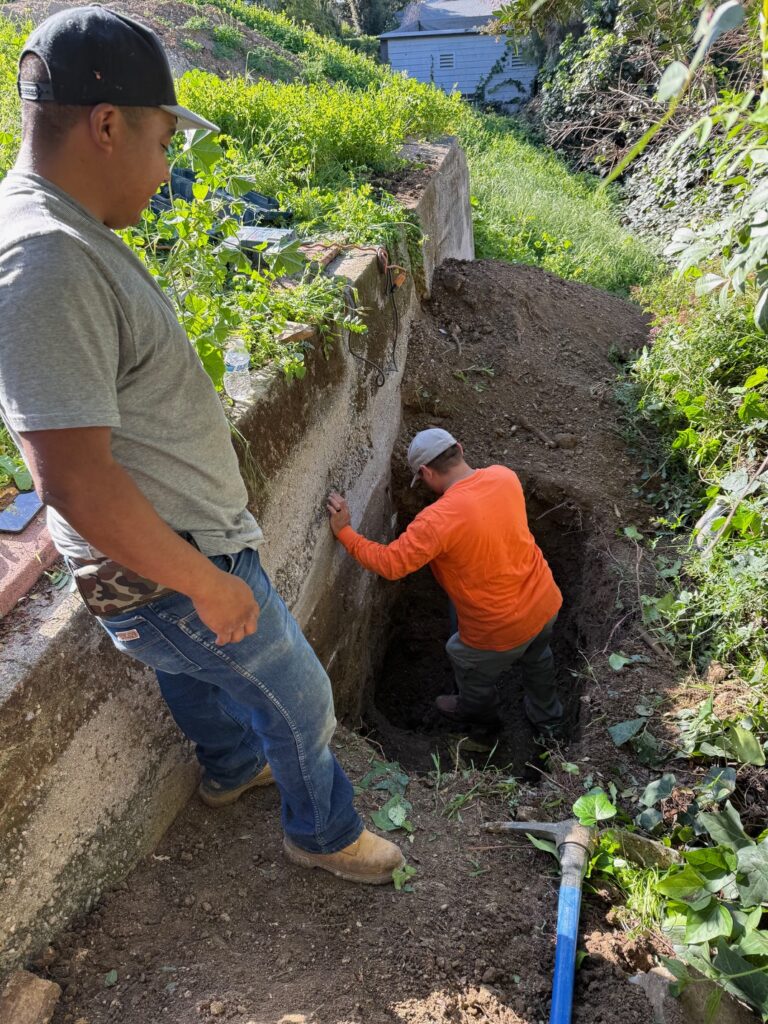
Underground plumbing lines rely on stable soil for support. When the ground shifts, expands, or dries out, pipes feel that movement directly.
Most underground plumbing issues develop slowly. Small cracks, joint separation, or sagging lines may not show symptoms right away. Over time, these issues worsen and lead to leaks, backups, or pipe failure.
Dry Summers Cause Soil Shrinkage
California’s long dry seasons have a major impact on underground pipes. As soil loses moisture, it shrinks and pulls away from buried lines.
This loss of support can lead to:
- Pipe movement
- Cracked joints
- Separated connections
Clay soil, common in many parts of California, shrinks more than other soil types. Pipes resting in this soil face added strain during extended dry periods.
Drought Conditions Increase Pipe Stress
Drought conditions affect more than water supply. Reduced moisture in the ground changes how soil holds pipes in place.
As soil dries:
- Pipes may settle unevenly
- Older joints may loosen
- Existing cracks can widen
These changes often happen underground without visible signs at the surface.
Heavy Rain Creates Sudden Soil Expansion
After long dry periods, winter storms can arrive quickly. When rain soaks dry soil, it expands and shifts.
This sudden movement places pressure on underground lines, especially older ones. Pipes that were already stressed during dry months may crack or shift when the soil swells.
Common results include:
- Collapsed sewer lines
- Pipe bellies
- Misaligned joints
Flooding Saturates the Ground Around Pipes
In areas that experience flooding or poor drainage, saturated soil creates additional problems. When the ground becomes too wet, it can lose its ability to support pipes evenly.
This may cause:
- Pipe sagging
- Joint separation
- Increased risk of collapse
Underground lines in low-lying areas face higher risk during wet winters.
Temperature Swings Affect Pipe Materials
While California does not experience deep freezes in most regions, temperature changes still affect underground pipes.
Metal pipes expand and contract with temperature changes. Over time, this movement weakens joints and connections.
Older materials, such as clay or cast iron, respond poorly to repeated expansion and contraction. Cracks may develop slowly until failure occurs.
Coastal Weather Adds Corrosion Risks
Coastal areas of California face unique challenges. Salt in the air and soil can speed up corrosion in metal pipes.
Underground plumbing near the coast may experience:
- Faster pipe deterioration
- Rust buildup
- Reduced pipe lifespan
These issues often affect water lines and sewer connections alike.
Earth Movement in Hillside Areas
Many California properties sit on hillsides or sloped terrain. Weather changes increase movement in these areas, especially during rain.
Soil erosion and shifting place added pressure on underground plumbing lines. Pipes that cross slope transitions face higher risk of separation or cracking.
Tree Roots React to Weather Changes
Tree roots respond quickly to changes in soil moisture. During dry periods, roots search for water, often finding it inside sewer lines.
Cracked or weakened pipes allow roots to enter, leading to:
- Blockages
- Broken pipes
- Sewage backups
Weather patterns that alternate between dry and wet conditions increase root growth activity.
Aging Infrastructure Faces Higher Risk
Many California properties rely on underground plumbing installed decades ago. These systems were not designed for current weather patterns or soil conditions.
Older materials may include:
- Clay sewer pipes
- Cast iron lines
- Early plastic piping
These pipes are more likely to fail under repeated soil movement.
Commercial Properties Feel the Impact Faster
Commercial buildings often have longer underground pipe runs and higher usage. Weather-related damage may show up sooner in these systems.
Common signs include:
- Frequent drain backups
- Slow drainage across multiple fixtures
- Sewage odors
Facility managers often discover underground issues after repeated service calls.
Signs Weather Has Affected Underground Plumbing
Weather-related pipe damage often shows warning signs before full failure.
Watch for:
- Recurring clogs
- Unexplained wet spots
- Foul odors outdoors
- Foundation moisture issues
These signs suggest underground plumbing problems that should be checked.
Why Problems Often Appear Months Later
Weather damage does not always cause immediate failure. Pipes may crack slightly and continue working for months before symptoms appear.
This delayed response makes it harder to connect the problem to weather conditions that occurred earlier.
Regular inspections help catch issues before they escalate.
How Camera Inspections Help Identify Damage
Camera inspections allow plumbers to see inside underground pipes without digging. This helps identify cracks, root intrusion, sagging sections, and joint separation.
The Pine Plumbing uses this approach to pinpoint problems accurately and recommend proper repairs.
Preventive Steps Property Owners Can Take
While weather cannot be controlled, steps can reduce damage risk:
- Monitor drainage around buildings
- Address minor plumbing issues early
- Schedule inspections for older systems
Early action helps avoid emergency repairs.
Why Ignoring Underground Issues Costs More
Small underground problems rarely stay small. Over time, soil movement and weather continue to stress damaged pipes.
Ignoring early signs often leads to:
- Full pipe replacement
- Property damage
- Disrupted operations
Planned repairs are easier to manage than emergency responses.
How The Pine Plumbing Helps Protect Underground Lines
The Pine Plumbing works with California property owners to assess underground plumbing conditions affected by weather.
Services include:
- Sewer line inspections
- Leak detection
- Repair planning
- Replacement guidance
Jaime Garcia is more than happy to help with a quote at (323) 346-4472.
Planning for California’s Climate Realities
California weather patterns place ongoing stress on underground plumbing lines. Dry soil, heavy rain, and temperature changes all play a role.
Understanding these risks helps property owners plan maintenance and repairs with fewer surprises.
Final Thoughts on Weather and Underground Plumbing
Underground plumbing lines are affected by weather even when no surface signs appear. Over time, soil movement and moisture changes take a toll on buried pipes.
If your property has recurring plumbing issues or an older underground system, it may be time for an inspection.
The Pine Plumbing is ready to help property owners across California.
Jaime Garcia is more than happy to provide a quote at (323) 346-4472.