Plumbing systems in multi-tenant buildings work behind the scenes every day. Tenants expect clean water, working restrooms, and drains that do their job without disruption. When systems fail, the impact spreads fast, affecting residents, businesses, property owners, and sometimes attorneys handling disputes or compliance issues.
Designing plumbing for multi-tenant buildings takes planning, experience, and a clear understanding of California codes. Property owners and developers with questions early in the process can speak directly with The Pine Plumbing at (323) 346-4472. This article explains how these systems are designed, what makes them different from single-occupancy properties, and why hiring a Southern California plumbing business matters from day one.
What Counts as a Multi-Tenant Building
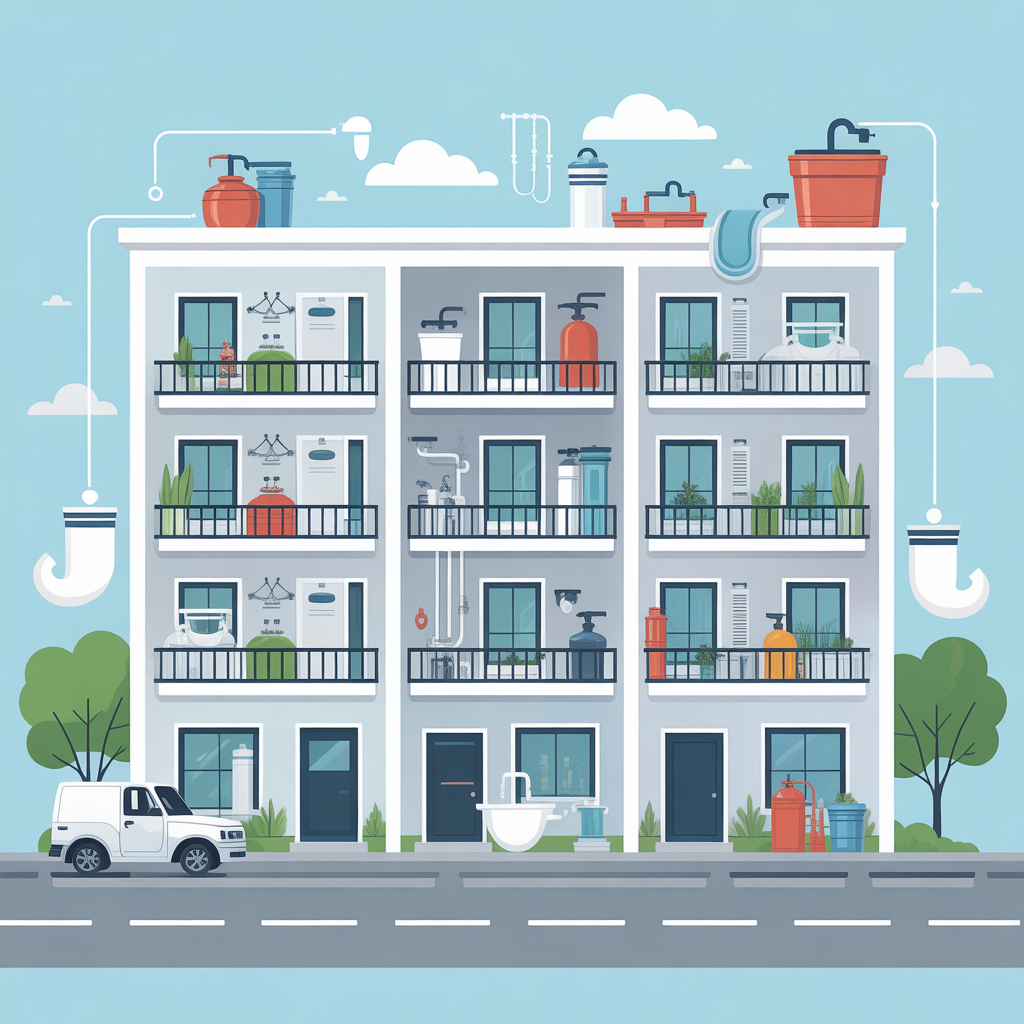
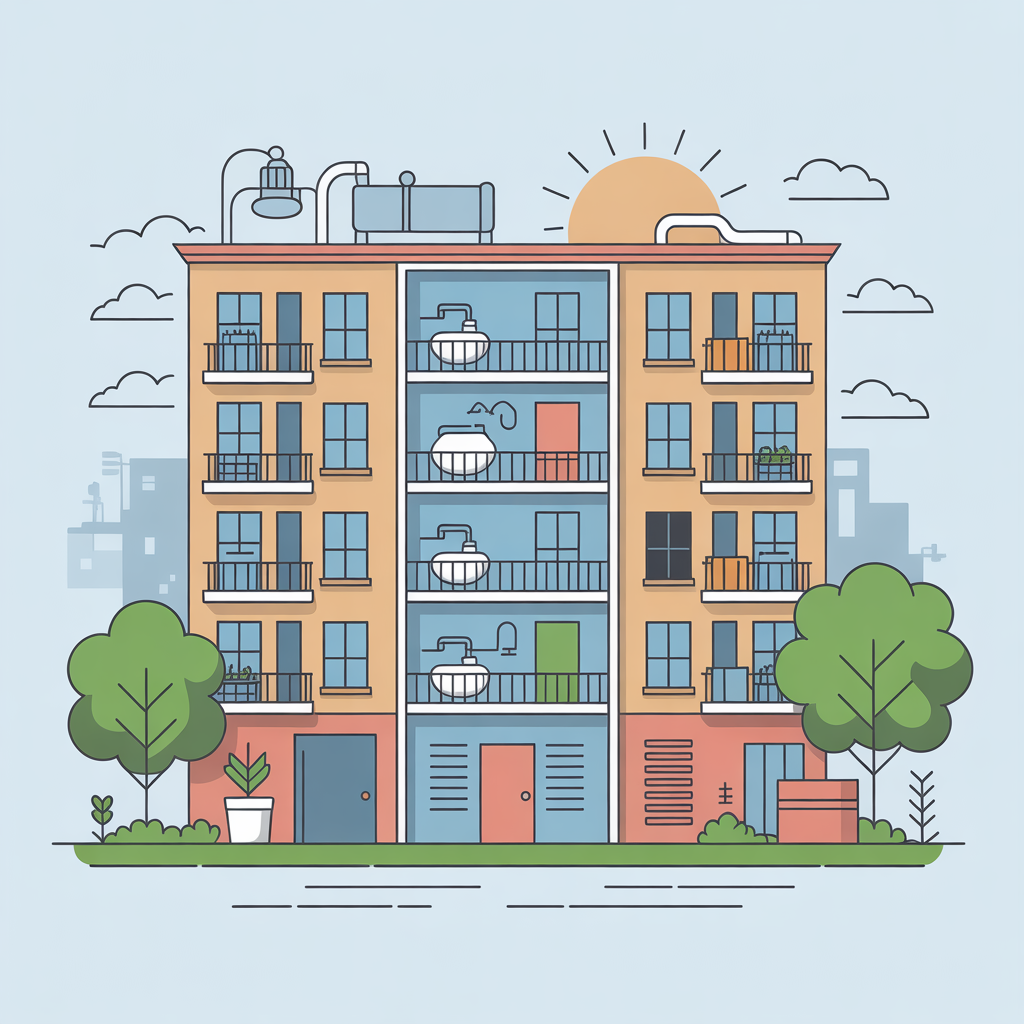
A multi-tenant building houses more than one unit under a shared structure. These properties include:
- Apartment complexes
- Condominium buildings
- Mixed-use developments
- Office buildings with multiple tenants
- Retail centers with shared utilities
Because multiple occupants rely on the same plumbing infrastructure, design mistakes can lead to repeated issues and higher liability.
Planning Water Demand Across Multiple Units
One of the first steps in plumbing design is estimating water demand. In a single home, usage patterns are fairly predictable. In a multi-tenant building, dozens or even hundreds of people may use water at the same time.
Designers consider:
- Number of units
- Type of tenants (residential, office, food service)
- Peak usage times
- Fixture counts per unit
Pipe sizes must support simultaneous use without pressure loss. This is one of the most common issues reviewed during inspections, and it is an area where guidance from an experienced plumbing team like The Pine Plumbing at (323) 346-4472 can make a difference. Undersized systems often lead to tenant complaints and ongoing service calls.
Main Water Supply and Distribution Layout
Multi-tenant buildings rely on a central water supply that branches out to each unit. Designers decide whether to use a vertical or horizontal distribution layout based on building height and footprint.
Key considerations include:
- Location of main shutoff valves
- Access points for maintenance
- Pressure balancing across floors
Poor layout choices can make future repairs more disruptive and costly.
Hot Water System Design
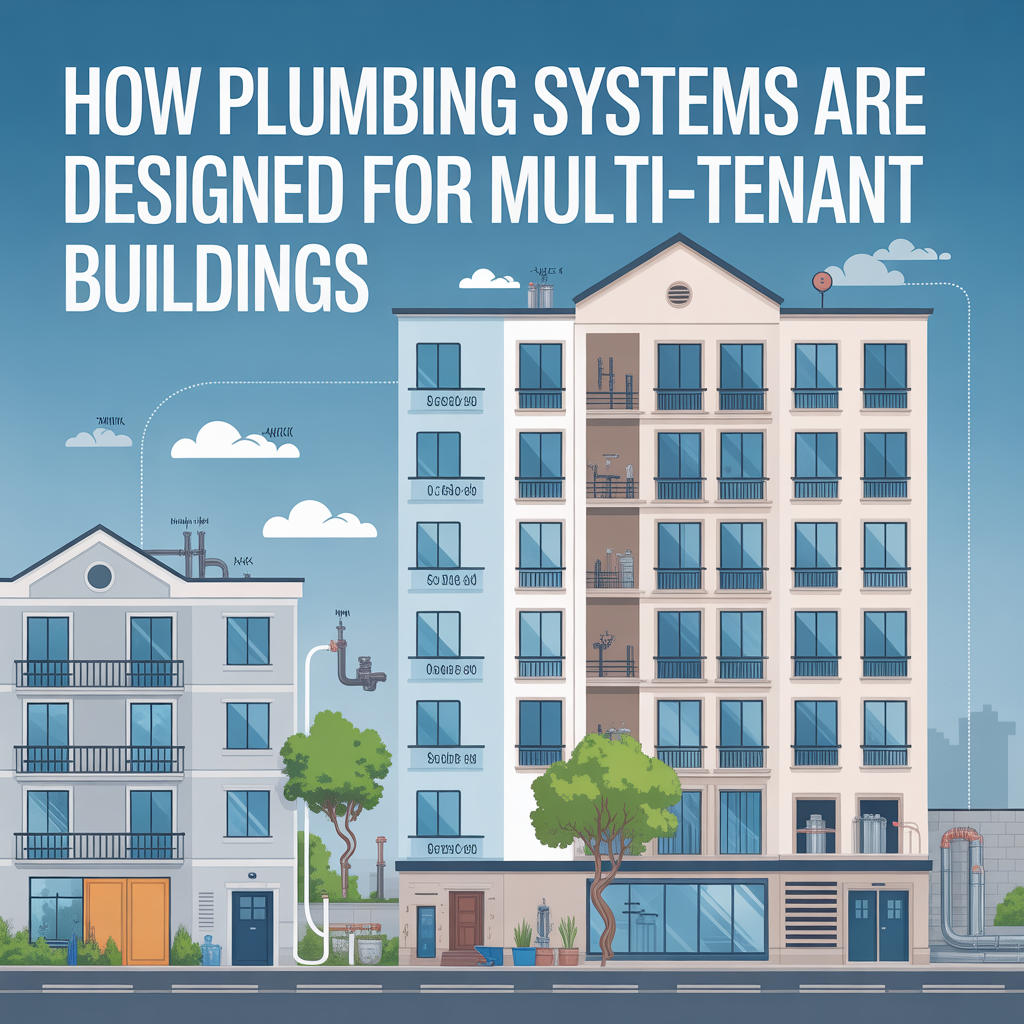
Hot water demand is higher in multi-tenant buildings. Designers must decide between centralized and individual water heating systems.
Centralized systems serve multiple units from one or more large heaters. Individual systems place smaller heaters inside each unit.
Design choices depend on:
- Building size
- Energy source availability
- Maintenance access
- Operating costs
Improper sizing can lead to shortages during peak hours, which often results in tenant disputes. Many property managers consult with The Pine Plumbing at (323) 346-4472 when planning or correcting hot water systems.
Drainage and Waste System Planning
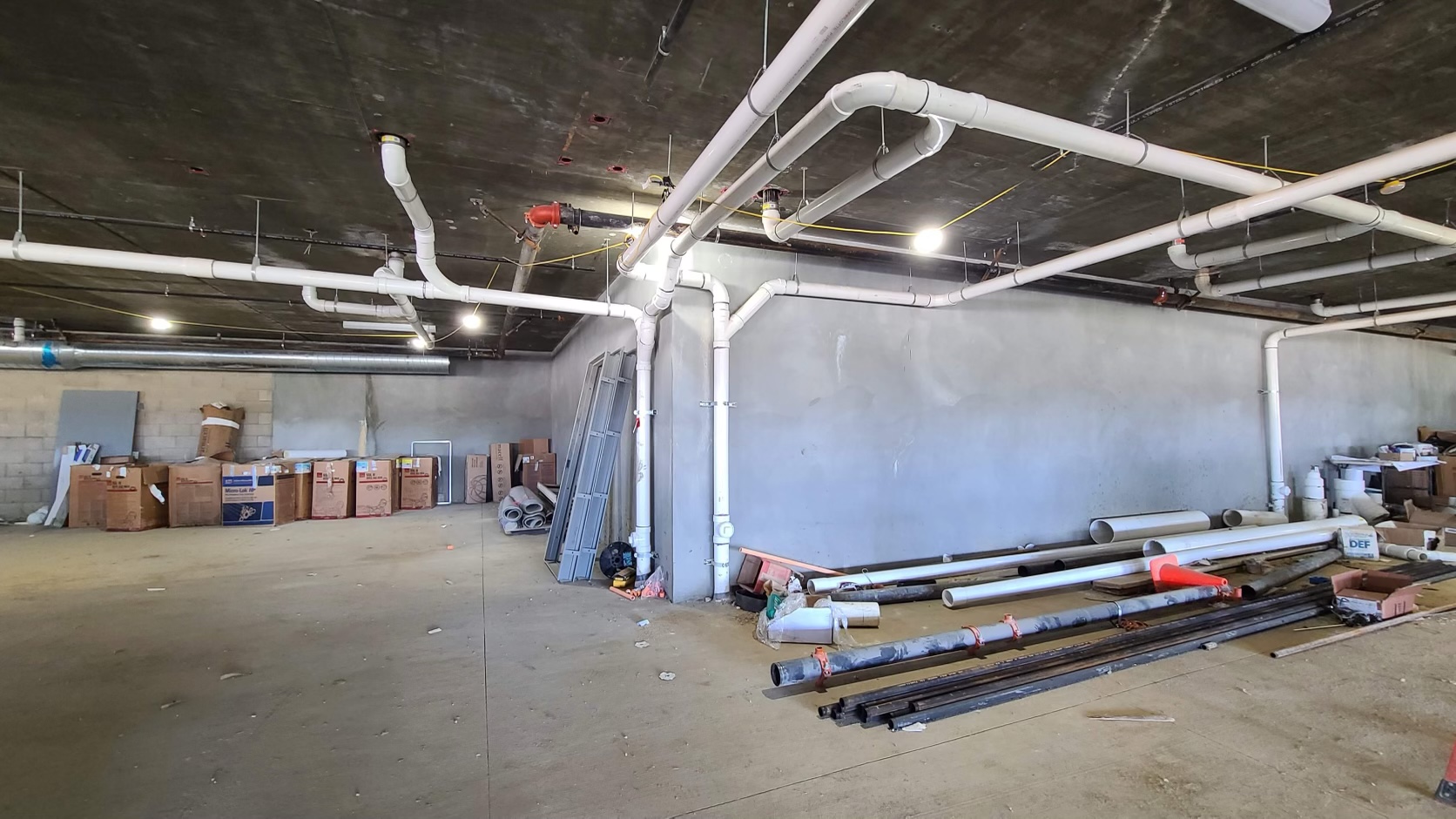
Drainage systems must move waste away from units without backups or slow drains. In multi-tenant buildings, waste lines combine flows from many units into shared stacks and mains.
Designers account for:
- Fixture placement
- Venting requirements
- Cleanout locations
- Slope and pipe diameter
Mistakes in drainage design can cause repeated blockages that affect multiple tenants at once. Addressing these risks early with a commercial plumbing team such as The Pine Plumbing at (323) 346-4472 helps limit future service calls.
Venting Systems and Air Balance
Venting allows drainage systems to work properly by balancing air pressure. Multi-tenant buildings require carefully planned vent networks that serve many fixtures.
Improper venting can cause:
- Gurgling drains
- Slow flow
- Sewer odors entering units
Because venting often runs through walls and roofs, errors can be difficult to correct after construction.
Code Compliance and Plan Review in California
California requires plumbing designs to follow the California Plumbing Code along with local amendments. Multi-tenant projects often go through detailed plan review before permits are issued.
Inspectors review:
- Pipe sizing calculations
- Fixture counts
- Accessibility compliance
- Safety devices such as backflow prevention
Failure to meet code can delay occupancy and create legal exposure.
Accessibility and Shared Restrooms
When buildings include shared restrooms or public spaces, accessibility rules apply. Plumbing fixtures must meet height, clearance, and reach requirements.
Design teams must plan these elements early. Corrections after installation can be expensive and disruptive.
Shutoff Valves and Maintenance Access
In multi-tenant buildings, maintenance planning is just as important as installation. Designers include shutoff valves that allow work on one unit without cutting water to the entire building.
Well-placed valves help:
- Reduce tenant disruption
- Speed up repairs
- Limit water damage
Property managers value systems that support quick response during emergencies.
Fire Protection and Plumbing Coordination
Plumbing systems often connect with fire protection systems. Coordination between trades ensures proper water supply for sprinklers and standpipes.
Errors in coordination can affect inspections and occupancy approvals.
Long-Term Maintenance Planning
Multi-tenant plumbing systems require ongoing service. Designers consider how systems will be accessed years later.
Service planning includes:
- Clear labeling
- Accessible mechanical rooms
- Durable materials suited for heavy use
Regular service reduces major failures and helps property owners manage risk. Many multi-tenant properties rely on ongoing service from The Pine Plumbing and keep (323) 346-4472 on file for scheduled maintenance and urgent needs.
Why Attorneys Pay Attention to Plumbing Design
Attorneys involved in real estate, construction, and tenant disputes often review plumbing design and maintenance records. System failures can lead to claims related to habitability, business interruption, or property damage.
Proper design and documentation help limit exposure.
Why Hiring the Right Plumbing Business Matters
Designing plumbing for multi-tenant buildings requires experience with codes, inspections, and real-world usage patterns. Residential-only experience is rarely enough for these projects.
Hiring a Southern California plumbing business with multi-tenant experience helps:
- Reduce rework
- Keep projects moving
- Support long-term system reliability
You can hire The Pine Plumbing for multi-tenant plumbing design support, installation, repairs, and ongoing service. We work with property owners, developers, and legal professionals across Southern California.
For questions or to discuss a project, call The Pine Plumbing at (323) 346-4472.
Final Thoughts
Plumbing systems in multi-tenant buildings must serve many users while meeting strict California rules. From water demand planning to maintenance access, each design decision affects building performance.
Working with an experienced Southern California plumbing business helps protect your property and keep tenants satisfied. The Pine Plumbing is ready to support your next multi-tenant project. Contact us at (323) 346-4472.