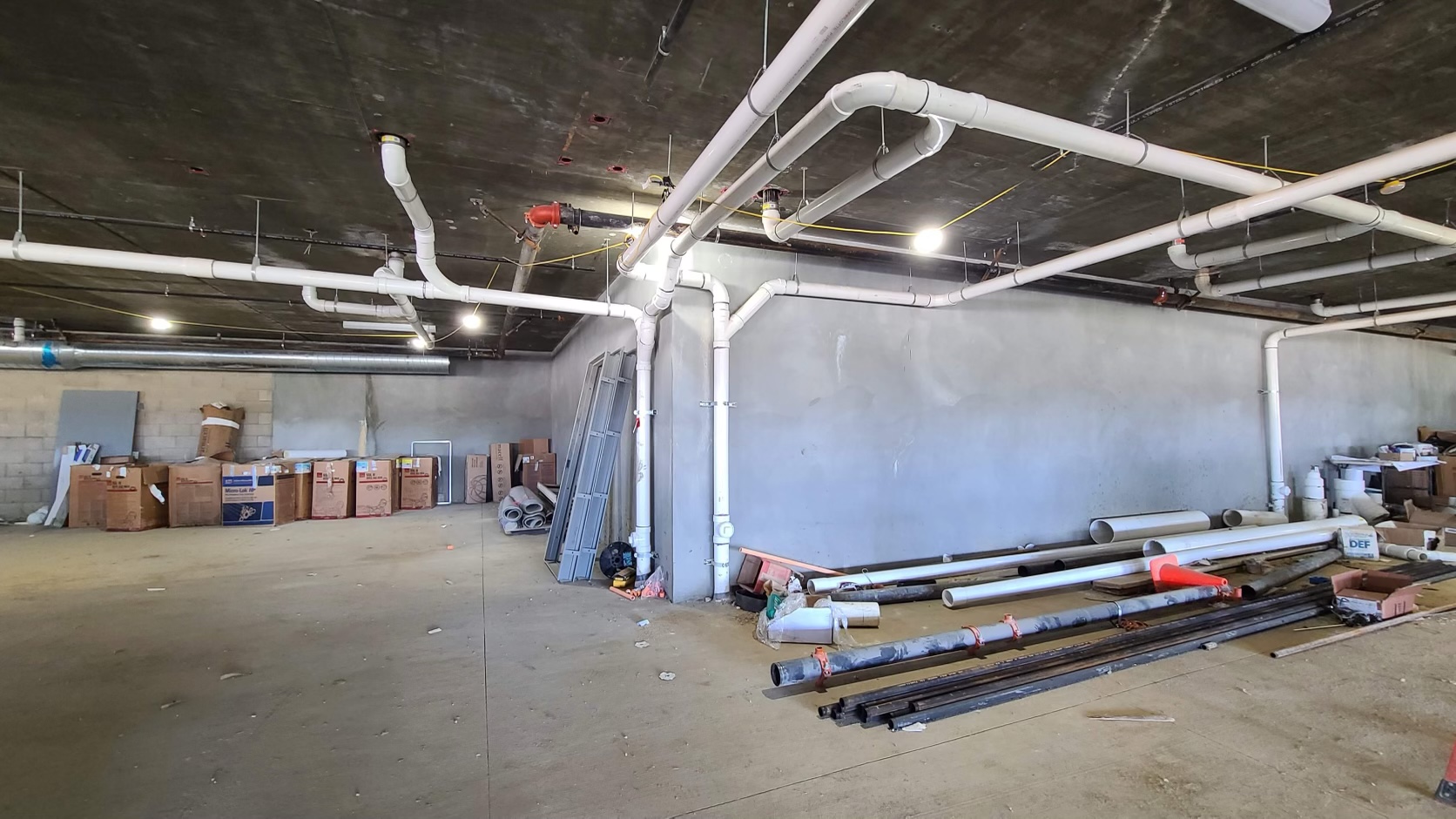
Commercial buildings along California’s coast face plumbing challenges that are very different from inland properties. Salt air, higher humidity, strict state and local codes, and environmental regulations all affect how plumbing systems must be designed, installed, and maintained. For property owners, developers, attorneys, and facility managers, understanding these requirements helps avoid violations, shutdowns, and costly repairs.
This guide explains the key plumbing requirements for commercial buildings in California coastal areas and why working with a licensed Southern California plumbing business is essential from planning through long-term maintenance.
Why Coastal Areas Have Special Plumbing Rules

California coastal regions fall under additional oversight because of environmental protection laws and building safety standards. Salt exposure speeds up wear on pipes, valves, and fixtures. Moist air can cause corrosion and leaks to appear sooner than expected. Local authorities also want to protect groundwater, coastal ecosystems, and public health.
Because of this, coastal commercial plumbing projects often face closer review during permitting and inspections. Materials, installation methods, and drainage plans must meet higher expectations.
California Plumbing Code and Local Amendments
All commercial plumbing in California must follow the California Plumbing Code (CPC). Coastal cities and counties often add their own amendments. These local rules may affect:
- Approved pipe materials
- Backflow prevention requirements
- Grease interceptor sizing
- Stormwater and wastewater discharge
- Seismic bracing and anchoring
Before starting any project, it is critical to review both the CPC and local jurisdiction rules. Missing a local amendment can delay inspections or force rework.
Pipe Materials Approved for Coastal Commercial Buildings
Salt air and moisture can shorten the lifespan of certain metals. For this reason, inspectors often look closely at pipe material selection.
Commonly accepted options include:
- Copper piping rated for commercial use
- Certain plastics such as CPVC and PVC for approved applications
- Stainless steel for specific systems
Galvanized steel is rarely recommended near the coast due to corrosion concerns. Using the wrong material can lead to early failure and code violations.
Corrosion Protection Requirements
Corrosion is one of the biggest risks for coastal plumbing systems. Commercial buildings may be required to use protective coatings, dielectric fittings, or isolation methods to reduce metal contact and moisture exposure.
Regular inspections are also expected. Property owners who ignore corrosion issues can face leaks that damage walls, floors, and nearby tenant spaces.
Backflow Prevention and Cross-Connection Control
Backflow prevention is taken very seriously in coastal areas. Commercial properties must protect public water systems from contamination caused by pressure changes or flooding.
Depending on the building type, you may need:
- Reduced pressure principle assemblies
- Double check valve assemblies
- Air gaps for certain fixtures
Many local water districts require annual testing by certified technicians, with records kept on file.
Grease Interceptors for Food Service Properties
Restaurants, hotels, and mixed-use commercial buildings must follow strict grease management rules. Coastal cities closely monitor grease discharge to protect sewer lines and marine environments.
Grease interceptors must be:
- Properly sized based on fixtures and usage
- Installed in approved locations
- Maintained and pumped on a set schedule
Failure to comply can result in fines, service interruptions, or legal disputes.
Stormwater and Drainage Rules
Coastal commercial buildings must manage stormwater carefully. Drainage systems cannot allow contaminated water to flow directly into the ocean or protected areas.
Plumbing plans often include:
- Oil and sediment separators
- Controlled discharge points
- Approved indirect waste connections
These systems must be clearly shown on plans and inspected before approval.
Seismic Bracing and Structural Safety
California is an earthquake-prone state, and coastal zones are no exception. Commercial plumbing systems must be properly braced and supported to reduce damage during seismic activity.
This includes:
- Proper pipe hangers and anchors
- Flexible connections where required
- Equipment restraints for water heaters and pumps
Inspectors frequently check these details during final approval.
Accessibility and ADA Compliance
Commercial plumbing fixtures must meet accessibility standards under the Americans with Disabilities Act (ADA). Coastal location does not change these rules, but inspectors will enforce them closely.
Requirements include:
- Proper sink and toilet clearances
- Correct fixture heights
- Accessible drinking fountains and restrooms
Noncompliance can lead to complaints or legal action.
Ongoing Maintenance Expectations
Commercial plumbing responsibility does not end after installation. Coastal conditions mean systems should be checked more often.
Routine service helps:
- Catch corrosion early
- Reduce leak risks
- Maintain code compliance
- Extend system lifespan
Many property owners set service schedules with a trusted plumbing company to stay ahead of issues.
Why Attorneys and Property Managers Pay Attention to Plumbing Compliance
For attorneys handling real estate, tenant disputes, or construction matters, plumbing compliance plays a major role. Code violations, water damage, or environmental issues can increase liability.
Property managers also rely on proper plumbing to keep tenants satisfied and buildings operational. A single failure can affect multiple businesses in a commercial space.
Work With a Southern California Commercial Plumbing Business
Commercial plumbing in California coastal areas requires experience with local codes, inspections, and environmental rules. Hiring a licensed Southern California plumbing business helps reduce risk and keep projects on track.
Our plumbing business works with:
- Commercial property owners
- Developers and builders
- Attorneys and facility managers
- Restaurants, offices, and retail spaces
We handle new installations, upgrades, repairs, and ongoing service for coastal commercial properties. If you are planning a project or need reliable support, you can hire our plumbing business to handle the work correctly from start to finish.
Final Thoughts
Plumbing requirements for commercial buildings in California coastal areas go far beyond standard installations. Material selection, corrosion control, drainage planning, and strict inspections all play a role.
Working with a qualified Southern California plumbing business helps protect your property, meet code requirements, and avoid costly setbacks. Whether you are building, remodeling, or maintaining a commercial space near the coast, having the right plumbing partner matters.