California plumbing code exists for one main reason: public safety. When commercial properties fall behind code requirements, the risks go far beyond minor repairs. Health violations, shutdowns, tenant complaints, and legal exposure can follow quickly.
Many property owners assume that if water is flowing and drains seem clear, everything must be fine. In reality, code issues often remain hidden until an inspection, remodel, or emergency exposes them.
The Pine Plumbing works with commercial property owners throughout California to identify and correct plumbing issues tied to code compliance. Jaime Garcia is more than happy to help with a quote at (323) 346-4472.
Why Plumbing Code Matters for Commercial Buildings
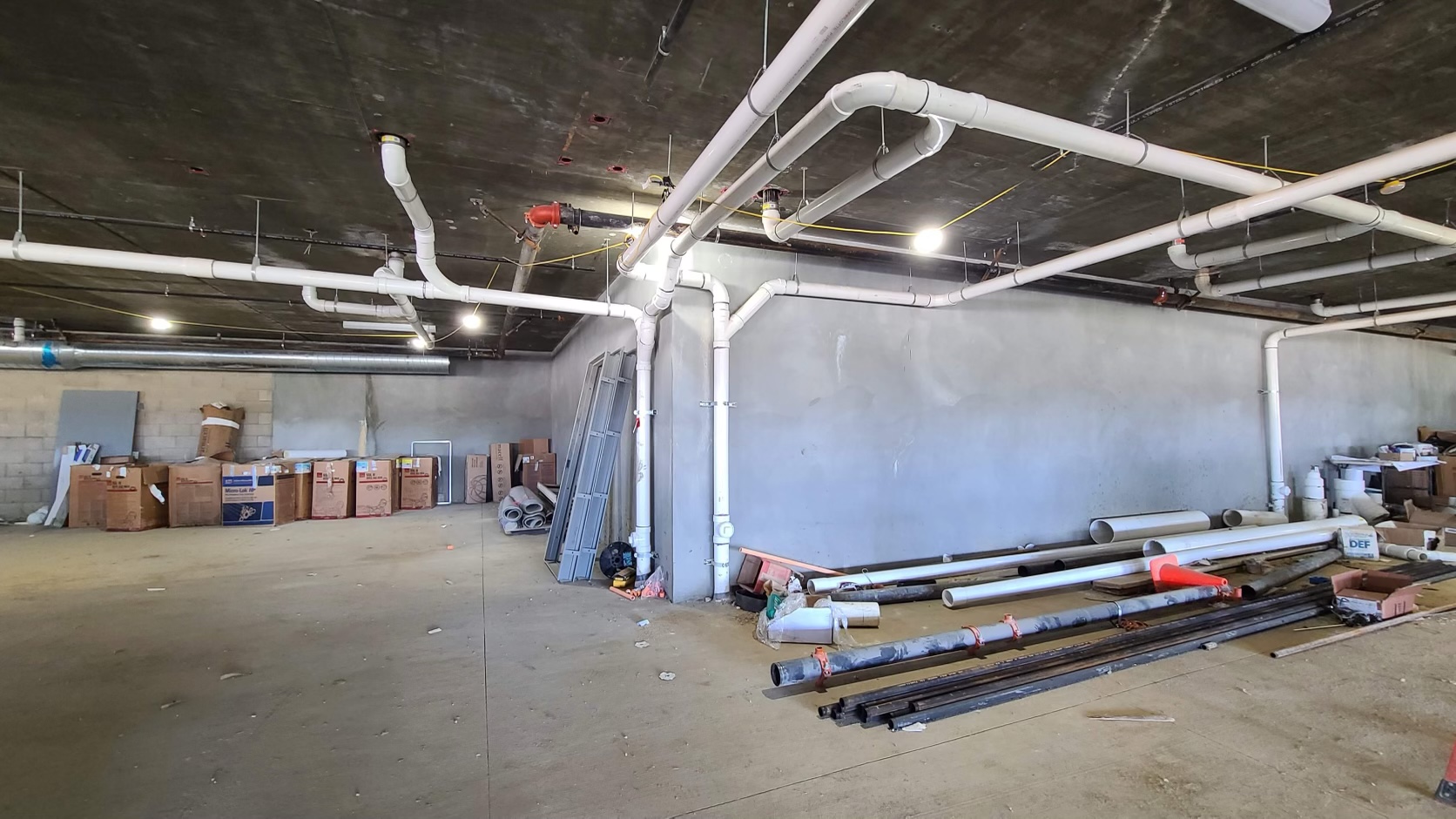
Commercial plumbing systems handle higher volume, more users, and stricter health requirements than residential systems. California plumbing code sets rules for pipe sizing, drainage, venting, water supply, and sanitation.
When a building does not meet code, the results may include:
- Failed inspections
- Health department citations
- Forced closures
- Costly rework
Understanding the warning signs helps property owners act before problems escalate.
Frequent Drain Backups and Slow Flow
One of the most common signs of code issues is recurring drain trouble. Drains that clog often or move slowly may point to deeper problems.
Possible causes include:
- Undersized drain pipes
- Improper slope
- Missing or poorly placed vents
These conditions are common in older buildings or spaces that were remodeled without proper updates.
Strong Sewer Odors Inside the Building
Sewer smells inside a commercial property are more than an inconvenience. They often signal missing traps, dried-out drains, or improper venting.
Code requires traps and vent systems to block sewer gases from entering occupied spaces. When these parts are missing or damaged, odors spread quickly.
Tenants and customers notice these issues right away, especially in restrooms and kitchens.
Restrooms That Do Not Meet Current Standards
Restroom requirements change over time. Older commercial buildings may still have fixtures or layouts that no longer meet current rules.
Warning signs include:
- Insufficient number of fixtures
- Improper spacing
- Poor drainage
- Inconsistent water flow
These issues often surface during tenant improvements or inspections.
Inconsistent Water Pressure Across the Building
Uneven water pressure is another red flag. If upper floors struggle while lower levels run normally, pipe sizing or layout may not meet current standards.
Commercial code addresses how water must be distributed throughout a building. When systems fall short, daily operations suffer.
Improper or Missing Backflow Protection
Backflow devices protect clean water from contamination. Many commercial properties are required to have them installed and tested regularly.
Signs of trouble include:
- No visible backflow device
- Failed test records
- Notices from the water district
Backflow violations can result in fines or service interruption.
Unpermitted Past Plumbing Work
Many buildings have plumbing changes made over the years without permits. These shortcuts often violate code.
Unpermitted work may include:
- Added sinks or restrooms
- Converted spaces
- Equipment connections
These issues often appear during inspections, sales, or renovations.
Floor Drains That Do Not Function Properly
Floor drains play a key role in commercial spaces such as kitchens, laundry rooms, and mechanical areas.
Problems include:
- Standing water
- Slow drainage
- Odors
Code requires proper placement and connection of floor drains. When they fail, water damage risks increase.
Grease Handling Issues in Food Facilities
Restaurants and food facilities face strict plumbing requirements. Improper grease handling is a major source of violations.
Warning signs include:
- Frequent backups
- Grease odors
- Overflowing interceptors
Correct grease systems protect both the building and city sewer lines.
Pipe Materials That Are No Longer Allowed
Some older pipe materials no longer meet California code. While they may still function, they can create problems during repairs or upgrades.
Examples include:
- Aging galvanized steel
- Certain plastic pipes used incorrectly
Replacing these materials often becomes necessary during remodels.
Lack of Proper Venting
Vents allow plumbing systems to function smoothly. Poor venting causes slow drains, gurgling sounds, and trap failures.
Code sets clear rules for vent size and placement. Buildings with repeated drain issues often have vent problems hidden behind walls or ceilings.
Water Heaters That Do Not Meet Code
Commercial water heaters must meet specific installation and safety standards.
Code-related issues may include:
- Incorrect venting
- Improper temperature settings
- Missing safety devices
Water heater violations can trigger immediate correction orders.
Accessibility Compliance Problems
California code includes accessibility requirements tied to plumbing fixtures. Restrooms must meet specific height, clearance, and control standards.
Older buildings often fall short in this area, especially after partial remodels.
Health Department or City Notices
If your property has received notices from a health department or city inspector, plumbing code issues may already be present.
Ignoring these notices can lead to:
- Fines
- Permit delays
- Business disruption
Early action reduces risk and expense.
Remodeling Triggers Code Updates
Many property owners are surprised to learn that even small remodels can trigger plumbing code updates.
Once work begins, inspectors may require:
- Pipe upgrades
- Fixture changes
- Added protections
Planning ahead avoids delays and budget surprises.
Why Commercial Properties Fall Out of Code
Most buildings do not fall out of code overnight. Common reasons include:
- Aging infrastructure
- Past shortcuts
- Changes in building use
- Outdated designs
Staying compliant requires regular review and maintenance.
How The Pine Plumbing Helps with Code Compliance
The Pine Plumbing works with property owners to identify code-related concerns and plan corrections clearly.
Services often include:
- Plumbing evaluations
- Code-related repairs
- Upgrade planning
- Permit coordination
Jaime Garcia is more than happy to help with a quote at (323) 346-4472.
Acting Early Saves Money and Stress
Addressing code issues early avoids emergency repairs and rushed fixes. It also helps property owners plan costs over time.
Waiting until a violation is issued often limits options and increases expense.
Tenant Confidence Depends on Compliance
Tenants expect safe, functional spaces. Plumbing problems tied to code issues can damage trust and lead to turnover.
Reliable plumbing supports long-term occupancy and smoother operations.
California Plumbing Code Compliance
Code compliance is not just about passing inspections. It protects health, property value, and daily operations.
If your commercial building shows signs of plumbing trouble, it may be time for a closer look.
The Pine Plumbing is ready to help California property owners stay compliant.
Jaime Garcia is more than happy to provide a quote at (323) 346-4472.