When people think about plumbing, they often picture a clogged sink or a leaking faucet at home. While those issues matter, plumbing for commercial buildings in California is a very different type of work. The systems are larger, the rules are stricter, and the risks are higher if something goes wrong.
For property owners, business operators, attorneys, and developers, understanding the difference between residential and commercial plumbing helps with planning, budgeting, and avoiding disputes. This article explains how these systems differ and why working with an experienced Southern California plumbing business is critical.
Residential Plumbing in California: The Basics
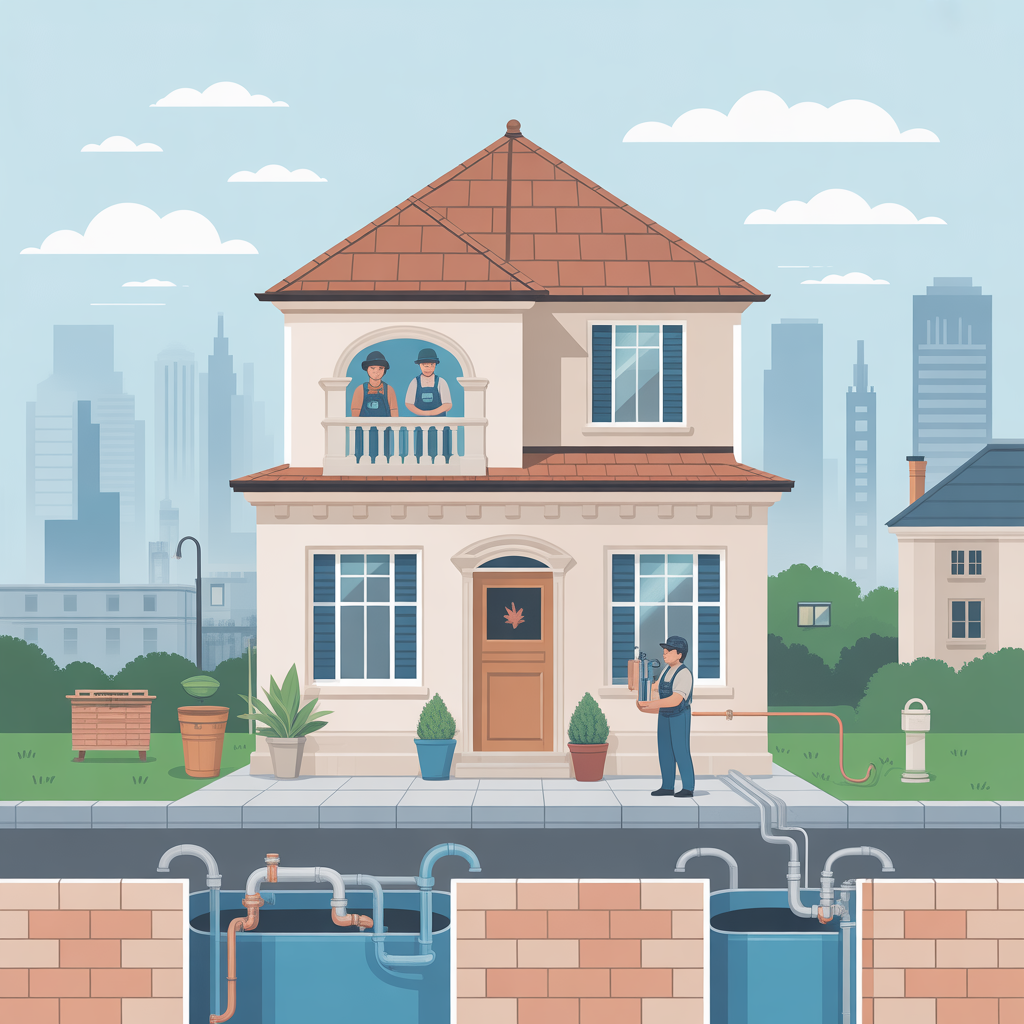
Residential plumbing serves single-family homes, duplexes, condos, and small apartment buildings. These systems are designed for lower water demand and fewer users at one time.
Common features of residential plumbing include:
- Smaller pipe sizes
- Shorter pipe runs
- Fewer fixtures per system
- Lower water pressure requirements
Most residential plumbing work involves repairs, fixture replacement, water heater service, and basic drain issues. While codes still apply, inspections tend to be simpler compared to commercial projects.
Commercial Plumbing in California: A Different Scale
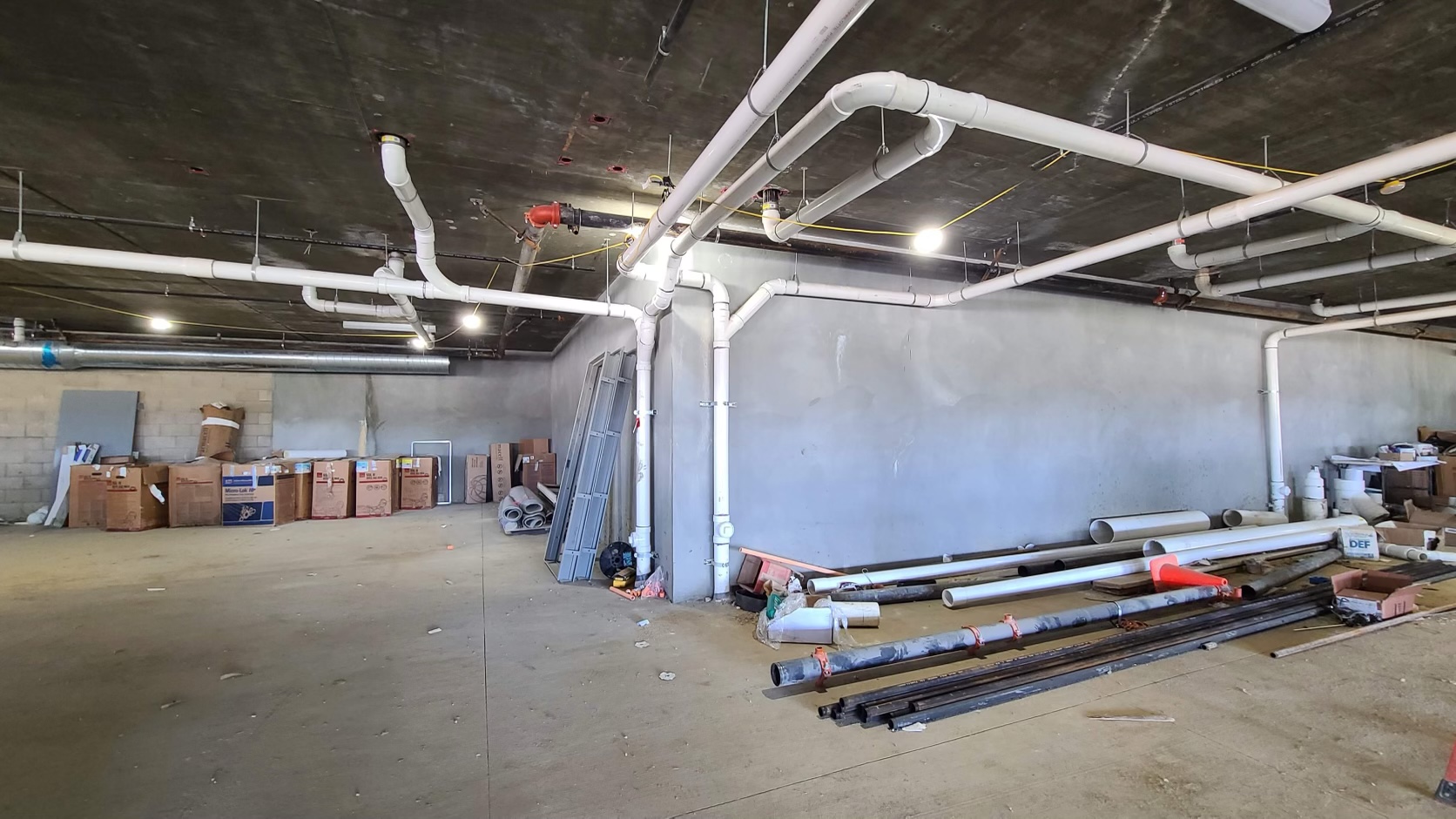
Commercial plumbing supports offices, restaurants, medical buildings, retail centers, warehouses, schools, and mixed-use properties. These systems must handle heavy daily use, larger volumes of water, and higher pressure.
Key traits of commercial plumbing include:
- Larger diameter pipes
- Long pipe runs across multiple floors
- Dozens or even hundreds of fixtures
- Specialized equipment such as grease interceptors and backflow devices
A single failure in a commercial building can affect many tenants or customers, which is why these systems demand careful planning and skilled installation.
Differences in Plumbing Codes and Inspections
Both residential and commercial plumbing in California must follow the California Plumbing Code. The difference lies in how strict the application becomes.
Commercial properties often face:
- Additional local amendments
- Multiple inspection stages
- Detailed plan review before permits are issued
Inspectors look closely at pipe sizing, drainage capacity, safety devices, and accessibility. Missing a requirement can delay occupancy or result in costly corrections.
Water Usage and System Demand
Residential plumbing systems are built for predictable daily use. A household typically uses water in the morning and evening, with lighter demand during the day.
Commercial buildings experience:
- Continuous water use
- Peak demand during business hours
- Simultaneous use of multiple fixtures
Because of this, commercial plumbing must support consistent flow without pressure loss. Improper design can lead to slow drains, low pressure, or system stress.
Pipe Materials and Installation Methods
Residential plumbing often uses materials like copper, PEX, or PVC, depending on the application and age of the home.
Commercial plumbing may require:
- Heavier-grade copper
- Cast iron for drainage
- Approved plastics for specific systems
Installation methods differ as well. Commercial work often involves working above ceilings, below slabs, or within large wall chases. Coordination with other trades is also more common on job sites.
Drainage and Waste Systems
Residential drainage systems are relatively simple. Waste flows from fixtures to the main sewer line with limited branching.
Commercial drainage systems must handle:
- High waste volume
- Grease from food service operations
- Industrial byproducts in some facilities
Restaurants and commercial kitchens are usually required to install grease interceptors. These units must meet size and maintenance rules set by local agencies.
Backflow Prevention Requirements
Backflow protection exists in both residential and commercial plumbing, but commercial rules are far stricter.
Many commercial buildings must install:
- Reduced pressure assemblies
- Double check valve systems
- Dedicated testing ports
Local water districts often require annual testing and record keeping. Failure to comply can result in water service interruption.
Accessibility and Public Use Considerations
Residential plumbing is designed for private use. Commercial plumbing serves the public, which brings additional responsibility.
Commercial restrooms must meet accessibility standards, including:
- Fixture height rules
- Clearance requirements n- Proper grab bar placement
Noncompliance can lead to complaints, fines, or legal action, especially in high-traffic buildings.
Maintenance and Long-Term Responsibility
Residential plumbing maintenance is usually reactive. Homeowners call a plumber when something breaks.
Commercial plumbing requires ongoing attention. Property managers often schedule regular service to reduce unexpected shutdowns. A leaking pipe in a commercial building can interrupt business operations and damage tenant spaces.
Attorneys involved in property or lease matters often review maintenance records when disputes arise.
Cost Differences Between Residential and Commercial Plumbing
Commercial plumbing costs more than residential work for several reasons:
- Larger systems
- Specialized equipment
- Longer labor time
- More inspections
While the upfront expense may be higher, proper commercial plumbing helps reduce future repairs and business interruptions.
Why Hiring the Right Plumbing Business Matters
Residential plumbers and commercial plumbers do not always perform the same type of work. Commercial projects require experience with codes, inspections, and system demands.
Hiring a Southern California plumbing business with commercial experience helps:
- Reduce compliance issues
- Keep projects on schedule
- Protect property value
- Support tenant satisfaction
Our plumbing business works with homeowners, business owners, developers, and attorneys across Southern California. You can hire our plumbing business for residential service, commercial installations, repairs, and ongoing maintenance. Call The Pine Plumbing at (323) 346-4472 to discuss your project or schedule service.
Choosing a Plumbing Partner in California
When selecting a plumbing company, look for licensing, insurance, and experience with your type of property. Clear communication and reliable service make a real difference during projects and emergencies.
Working with a trusted plumbing business helps property owners and professionals manage risk and keep buildings functional.
Final Thoughts
The difference between residential and commercial plumbing in California goes far beyond pipe size. System demand, code enforcement, public use, and long-term responsibility all play a role.
Whether you own a home or manage a commercial property, hiring the right plumbing business matters. Our Southern California plumbing team at The Pine Plumbing is ready to handle both residential and commercial needs. For questions or service, contact us at (323) 346-4472.